
BREAKOUT SESSIONS | CONNECTING TO STUDENTS

This literacy presentation focuses on foundational reading components and practical instructional strategies for primary and elementary classrooms:
Fluency & Assessment: Explores the definition and significance of oral reading fluency (ORF) as a key predictor of comprehension.
Instructional Strategies by Grade Level: Outlines targeted classroom practices, such as partner reading and rhyming, repeated readings or Reader’s Theater.
Core Comprehension Strategies: Covers essential techniques and strategies for helping students with constructing meaning.
Explicit & Implicit Modeling: Differentiates between modeling fluent reading implicitly through read-alouds and explicitly through teacher think-alouds.
Navigating Informational Texts: Addresses the high demands complex non-fiction texts place on students, offering practical reading strategies and examples.
The culture we live or work in impacts our experience as well as our personal and professional development.
This session presents four components of a healthy and effective culture that creates high levels of safety, trust, and belonging.
When these components are present, enjoyment, potential fulfillment, and high performance are more likely to occur:
(1) everyone’s first job is to help others succeed,
(2) communicate ‘you matter,’
(3) honor the absent, and
(4) see the problem, own the problem.
It also presents a tool for assessing the degree to which these components exist in a culture.
The reactions and handling of a student or colleague in the moment a mistake is made is more impactful than we think! This session focuses on
(1) the beliefs formed about ourselves from the messages we receive from others when we make a mistake,
(2) what keeps us stuck in our comfort zone, and
(3) more effective ways of responding to our own mistakes and the mistakes of others.
Empathy is the catalyst for meaningful learning and problem-solving across all subjects.
In this hands-on session, educators will learn practical, classroom-ready ways to lead with empathy using the Design Thinking cycle.
Using empathy maps and other tools that invite feelings and facts, we will discover surface assumptions, and translate insights into clear problem statements students can answer: Why is this important? Who is it a problem for?
Participants will walk away ready to embed empathy-first strategies that deepen student engagement.
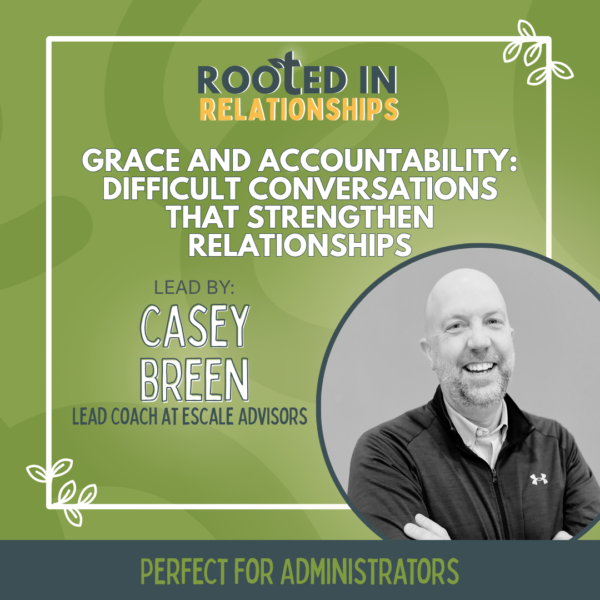
In mission-driven schools, many of us avoid hard conversations because accountability feels like it betrays grace. So deadlines slide, problems go unaddressed and our best people quietly burn out.
The fix starts long before the conversation. When a school is explicit about who it is and who it isn’t, with clear core behaviors and clear performance expectations, those expectations can be built into everything: how you hire, how you welcome fit families, and how you lead day to day.
Casey shows how a simple scorecard for every role, and a clear picture of a fit family, turn accountability into an act of care. Then when someone misses the mark, the conversation isn’t out of the blue. It’s grounded in what everyone already agreed to, and it can be honest, short and loving.
Participants will:
– See why avoiding accountability damages the very relationships it is meant to protect
– Define clear behavior and performance expectations for any role, and what a fit family looks like for their school
– Learn how to build those expectations into hiring and enrollment, so every hard conversation starts on common ground
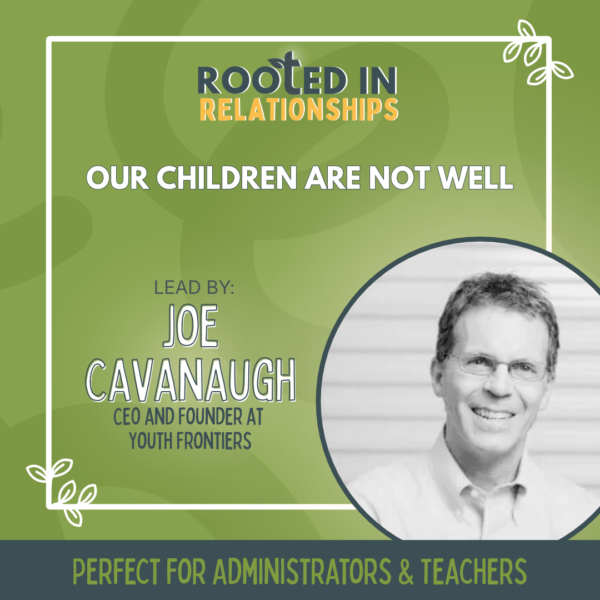
Generation Z is unraveling. As adults, we need to significantly change how we raise, mentor, and interact with the next generation. Young people need to know they are Strong, not fragile; responsible, not self-absorbed; and that, at their core, they have intrinsic dignity… They are Precious, not Perfect.
This presentation draws on outside experts and offers practical tips you can use in your next interaction with a young person in your life. It is suited for any group working with young people (parents, educators, youth workers, etc.).
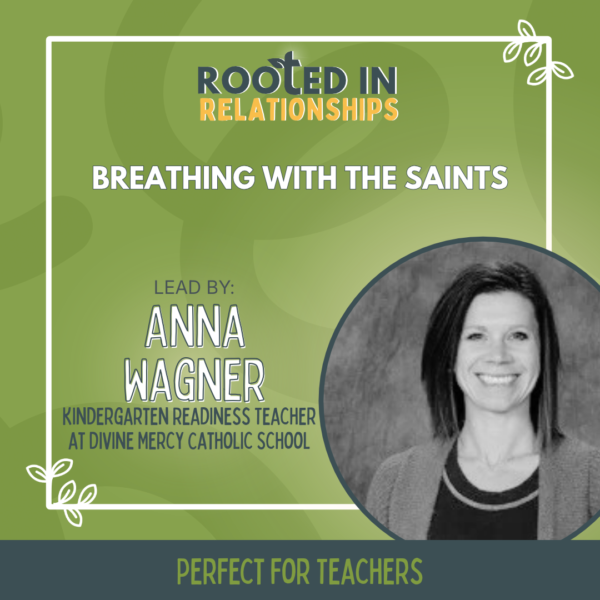
In today’s fast-paced environment, building emotional resilience is an important foundational skill that will benefit everyone’s mental well-being.
This session will share the connection that the Saints have with breathing tools to help students and teachers regulate when emotions may be high. You will walk away with knowledge about the Saints and how you can utilize different social-emotional tools in the classroom and in your own lives.
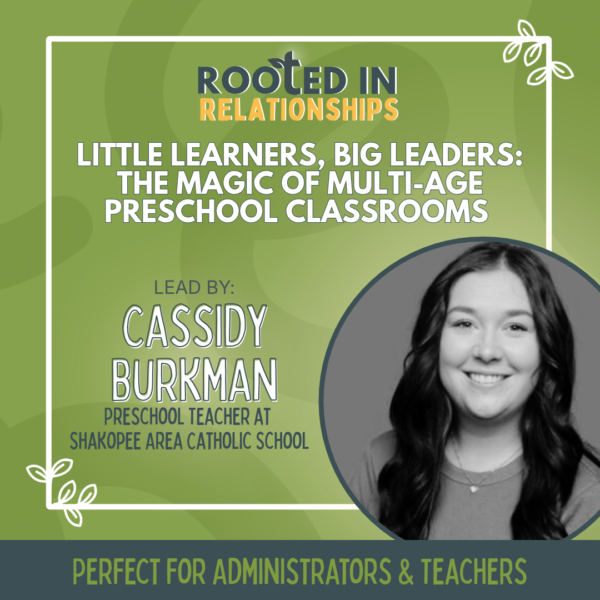
A look at how peer duos and strong relationships can have a positive impact in Preschool classrooms. Hear about practical strategies for connecting students, fostering leaders, and differentiating instruction.
The beauty of ECE and its value, licensing requirements, and state standards.